31 January 2020

Day 8 HAMLET


Do Now: Put the events from Act II in order and choose a line or passage that strikes you as significant.

Today's Learning Target:
I will be able to review acts I and II of Hamlet and make a claim about Hamlet's first three soliloquies.
I will know that I have hit the learning target when...
-I can describe the key events from acts I and II.
-I can compare and contrast Hamlet's first three soliloquies.

Agenda: 
  1. Hamlet's speech 
  2. Reviewing Act II
  3. The third soliloquy
  4. Exit Ticket: What is the most memorable part of act two?

Small Daily Task: Continue reading and journaling. The journal entries for your long nonfiction are due 7 February.

29 January 2020

Day 7 HAMLET

Pyrrhus slaying Priam.
Do Now: What is the most memorable part of II.ii? Explain why it stands out to you.

Today's Learning Target:
I will be able to make a claim about Hamlet's development in the first two acts of the play and support it with evidence.
I will know that I have hit the learning target when...
-I can trace the transformation of Hamlet from I.ii to II.ii by citing at least three important lines about his actions, thoughts, and speech.
-I can write a claim that uses a subordinating conjunction to show the relationship between Hamlet's initial behavior and how he is behaving now.

Agenda: 
  1. II.ii so far
  2. II.ii continued
  3. So many soliloquies!
  4. Exit Ticket: How is Hamlet like Holden?

Small Daily Task: Please add quotations to your journal. I will check your progress on Friday (for a quiz grade). You should have at least eight quotations from your long nonfiction text.

28 January 2020

Day 6 HAMLET

Do Now: "And thus do we of wisdom and of reach, / With windlasses and with assays of bias, / By indirections find directions out" (2.1.61-63) Polonius's line about the sneaky way Reynaldo should inquire after Laertes sets the tone for Act II. Can you think of other characters, current or historical figures, or people you know who use this method? Why might they opt for subterfuge over more direct questioning? 

Today's Learning Target:
I will be able to explain the important events of II.ii that make up the rising action of the play.
I will know that I have hit the learning target when...
-I can summarize what happens in this lengthiest of scenes in four or five bullet points.
-I can cite two or three events that I predict will lead to the climax of the play.

Agenda: 
  1. II.ii
  2. Following the Action
  3. Exit Ticket: How is Hamlet like Holden Caulfield?

Small Daily Task: Add three more quotations to your journal. Bring your capstone materials to Wednesday's class.

27 January 2020

Day 5 HAMLET


Do Now: Act I reading check.

Today's Learning Target:
I will be able to explain how performing (i.e., "actively engaging with the text: physically, intellectually, and vocally") lines from a play leads to a deeper understanding of the story.
I will know that I have hit the learning target when...
-I can explain how making decisions about tone and gesture compel me to better understand characters.
-I can describe how actors/directors must make choices when delivering lines.

Agenda: 
  1. Act I check
  2. Exposition and Big Ideas (Duty to God, King, Country, Mom, Dad, Self, Ethics, etc.)
  3. Upcoming capstone work
  4. Exit Ticket: What insight did you gain about your character from having to make decisions about his/her performance?

Small Daily Task: Add at least five quotations from long form nonfiction to your journal.

24 January 2020

Day 4 HAMLET

File:Henry Fuseli rendering of Hamlet and his father's Ghost.JPG

Do Now: Please read this article about self-reflection and respond to it in your Hamlet Journal. Consider what self-reflection is/isn't and what its benefits are.

Today's Learning Target:
I will be able to explain how performing (i.e., "actively engaging with the text: physically, intellectually, and vocally") lines from a play leads to a deeper understanding of the story.
I will know that I have hit the learning target when...
-I can explain how making decisions about tone and gesture compel me to better understand characters.
-I can describe how actors/directors must make choices when delivering lines.

Agenda: 
  1. I.i-iii Recap
  2. Hamlet Act I, scenes iv-v
  3. Hamlet's second soliloquy
  4. Exit Ticket: Whom do you think Hamlet should trust/mistrust?

Small Daily Task: Keep on reading!

Day 3 HAMLET

"This above all: to thine own self be true."
Do Now: What is the best advice you've received? The worst? Who gave you this advice? 

Today's Learning Target:
I will be able to read, paraphrase and perform I.iii.
I will know that I have hit the learning target when...
-I can explain what the three characters in this scene are literally talking about.
-I can explain how performing the scene well demands a consideration of its subtext.

Agenda: 
  1. Hamlet Act I, scenes iii-v
  2. Foils
  3. Exit Ticket: How is Hamlet's first soliloquy similar to soliloquies you've read before (i.e., in Romeo and Juliet or Macbeth)? How is it different?

Small Daily Task: Continue reading your long-form nonfiction. Add any typed material to your journal.

17 January 2020

Day 2 HAMLET

Do Now: After viewing Act I, scene i, consider the type of story that Shakespeare sets out to tell. As in Romeo and Juliet and Macbeth, we don't meet the hero(es), but we do get a great hook and are left wondering about a number of issues. What is at least one thing we wonder about at the scene's end? 

Today's Learning Target:
I will be able to define soliloquy and explain how Hamlet's first soliloquy establishes his character.
I will know that I have hit the learning target when...
-I can point to lines in Hamlet's soliloquy that establish his character.
-I can make inferences about these lines to begin constructing a profile of young Hamlet at the play's beginning.

Agenda: 
  1. Hamlet Act I, scenes i-ii
  2. Hamlet's first soliloquy
  3. Exit Ticket: In Act I, scenes i-ii we get a great hook and are left wondering about a number of issues. What is at least one thing we wonder about after the scenes end? 

Small Daily Task: Continue reading and gathering quotations from your long-form nonfiction. 

13 January 2020

Day 1 HAMLET

Do Now: What is a duty or obligation that you take seriously? Why?  

Today's Learning Target:
I will be able to explain how Shakespeare establishes mood through speech.
I will know that I have hit the learning target when...
-I can point to features of the language in the opening scenes of Romeo and Juliet and Macbeth that reveal what the setting is like.
-I can explain how a line's length and punctuation suggest a scene's atmosphere.

Agenda: 
  1. Journals and paragraphs
  2. Pre-reading terms
  3. Exit Ticket: When we begin Hamlet, what will you look for in the opening scene that you might not have paid attention to before today's lesson?

Small Daily Task: Work on short form nonfiction journal entries. Journals for short form nonfiction texts 2 and 3 are due Friday, 17 January.

https://www.youtube.com/watch?v=R-QvTxMHTcY

08 January 2020

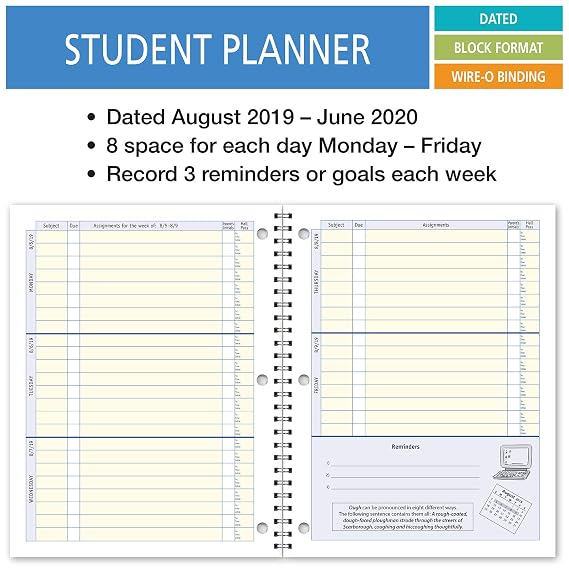
Make a plan!

Image result for student planner
January 
1/7 Finish reading short form nonfiction #1 - journal check
1/17 Finish reading short form nonfiction #2, #3 - journal check
QUARTER 2 ENDS


February 
2/7 Finish reading longform nonfiction - annotation and journal check
2/14 Rough Draft Persuasive Essay 

2/16 Final Draft Persuasive Essay due at 7:35 AM

HW: Please use the calendar to plan for upcoming deadlines. For Monday, show me progress on one
of your short nonfiction journals.

"The Eclipse" by Augusto Monterroso